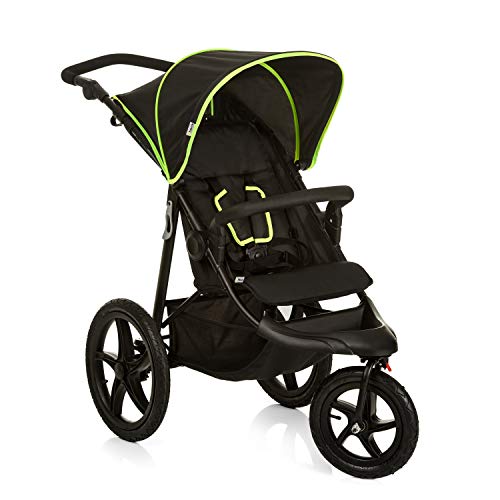
The Most Popular Pram Gurus Are Doing Three Things
The Ultimate Guide to Pushchairs and Prams: Making the Right Choice for Your Family
With the arrival of a new baby, moms and dads are frequently overwhelmed by the myriad of choices they deal with, particularly when it concerns picking the right pushchair or pram. Comprehending the different types, features, and factors to consider can assist make this important choice easier. This guide will explore the key distinctions between pushchairs and prams, their various usages, and vital features to try to find. It will also answer typical questions parents may have, supported by tables for a clearer contrast.
Comprehending Pushchairs and Prams
Before making a purchase, it's vital to differentiate between a pushchair and a pram:
Pushchair
A pushchair, likewise called a stroller, is a versatile piece of devices designed for older babies and toddlers. Pushchairs are usually light-weight, easier to maneuver, and frequently featured features such as adjustable manages and reclining seats.
Pram
On the other hand, a pram is developed mainly for newborns and more youthful infants. It has a flat, lie-down position that supports a baby's spinal column and enables comfy naps. Prams generally have a more traditional style and are bulkier compared to pushchairs.
Feature
Pushchair
Pram
Age Suitability
From about 6 months onwards
Newborn to around 6 months
Seat Position
Upright, reclining
Flat, lie-flat position
Weight
Generally lighter and more compact
Frequently heavier and bulkier
Maneuverability
Much easier to browse
Typically more steady
Storage Space
Usually has extra storage
May have limited storage
Types of Pushchairs and Prams
When it concerns options, there are various styles of pushchairs and prams available for moms and dads to select from:
1. Conventional Prams
- Perfect for newborns.
- Include a totally flat and large sleeping area.
- Typically included a classic design.
2. Travel Systems
- Mixes of cars and truck seat and pushchair.
- Enables simple transitioning from car to pushchair.
- Flexible and useful for parents on the go.
3. Umbrella Strollers
- Lightweight and compact.
- Easy to fold and carry, making them perfect for travel.
- Frequently less strong, appropriate for older babies who can sit upright.
4. All-Terrain Pushchairs
- Created for diverse surfaces, such as parks or unequal pathways.
- Feature big wheels for better maneuverability.
- Generally bulkier but excellent for daring families.
5. Double Strollers
- Suitable for families with twins or 2 children of various ages.
- Can be side-by-side or tandem.
- Deals different setups for comfort and benefit.
6. Jogging Strollers
- Created for active moms and dads who desire to run or jog with their kid.
- Functions larger wheels and a strong frame for stability throughout movement.
- Need to be used with caution for safety.
Secret Features to Consider
Choosing the ideal pushchair or pram involves comprehending the essential functions that will improve the experience for both the moms and dad and the child. Here are some crucial elements to consider:
1. Safety
- Harness System: Ensure that the pushchair or pram has a protected harness system— ideally, a five-point harness for included safety.
- Braking System: Look for a reliable braking system that can be easily activated by the moms and dad.
2. Convenience
- Cushioned Seat: A well-padded seat will make sure that the baby is comfortable throughout rides.
- Reclining Feature: The ability to recline is vital for younger babies who might require to lie flat.
3. Maneuverability
- Swivel Wheels: Swiveling front wheels can make it easier to browse congested areas.
- Suspension: Good suspension help in keeping the trip smooth over various terrains.
4. Size and Weight
- Weight: A light-weight frame can make it much easier for parents to lift and carry.
- Foldability: Consider how simple it is to fold and keep the pushchair or pram.
5. Storage
- Basket Space: Ample storage beneath the seat can accommodate diaper bags and shopping.
- Additional Pockets: Look for designs with pockets for easy access to fundamentals like keys and phone.
6. Durability
- Weight Limit: Check the manufacturer's weight limit to ensure that the pushchair or pram will last as your kid grows.
- Flexibility: Some models can adapt from a pram to a pushchair or accommodate a second seat for siblings.
FAQ: Common Questions About Pushchairs and Prams
1. What is the distinction between a pushchair and a stroller?
A pushchair is normally a light-weight choice for older babies and toddlers, while a stroller is a more comprehensive term that can include various styles, including those for infants.
2. Can I utilize a pushchair for a newborn?
Normally, pushchairs are ideal for babies aged 6 months and older. However, some travel systems come with infant safety seat that can be connected for newborns.
3. How do I tidy my pushchair or pram?
Most pushchairs and prams featured detachable, machine-washable fabric covers. Routinely wipe down the frame and wheels to keep it tidy.
4. Are there any safety regulations I should search for?
Ensure that the pushchair or pram meets safety requirements set by your nation. Search for certifications or labels from regulative bodies.
5. Just how much should I anticipate to invest on a quality pushchair or pram?
Rates can differ commonly— basic models may start around ₤ 100, while high-end designs can go beyond ₤ 1,000. Consider your budget and wanted features.
Picking the right pushchair or pram is a vital job for brand-new parents. While the alternatives might appear frustrating, comprehending the distinctions and specific features will make it much easier to select the best suitable for your household's way of life. Whether you prioritize mobility, comfort, or safety, making the effort to choose wisely can enhance your parenting journey. Remember, investing in Pushchairs And Prams or pram is purchasing convenience and comfort for both you and your youngster.